

Australia's Fuel Efficiency Standard: What It Means for Your Thirsty Car's Resale
Australia's proposed New Vehicle Efficiency Standard (NVES) is set to reshape our automotive landscape, directly impacting the demand and resale value of less fuel-efficient vehicles. Sellers need to understand how this policy shift will affect future market dynamics.
Australia's Fuel Efficiency Standard: What It Means for Your Thirsty Car's Resale
Alright, let's talk about something big – really big – that's brewing in the Australian automotive scene: the New Vehicle Efficiency Standard, or NVES. It's not just some bureaucratic mumbo jumbo, not by a long shot. This is a game-changer, folks, and if you own anything with a bit of grunt, anything that likes a drink at the bowser, you need to pay attention. We're talking about a policy that's going to hit your hip pocket when it comes to selling that V8 ute, that large SUV, or even a capable but thirsty family sedan.
Key Takeaways
- NVES will likely accelerate the depreciation of less fuel-efficient vehicles.
- Demand for larger, thirstier cars is expected to soften as buyers become more fuel-conscious.
- Sellers of high-emission vehicles should consider divesting sooner rather than later to maximise value.
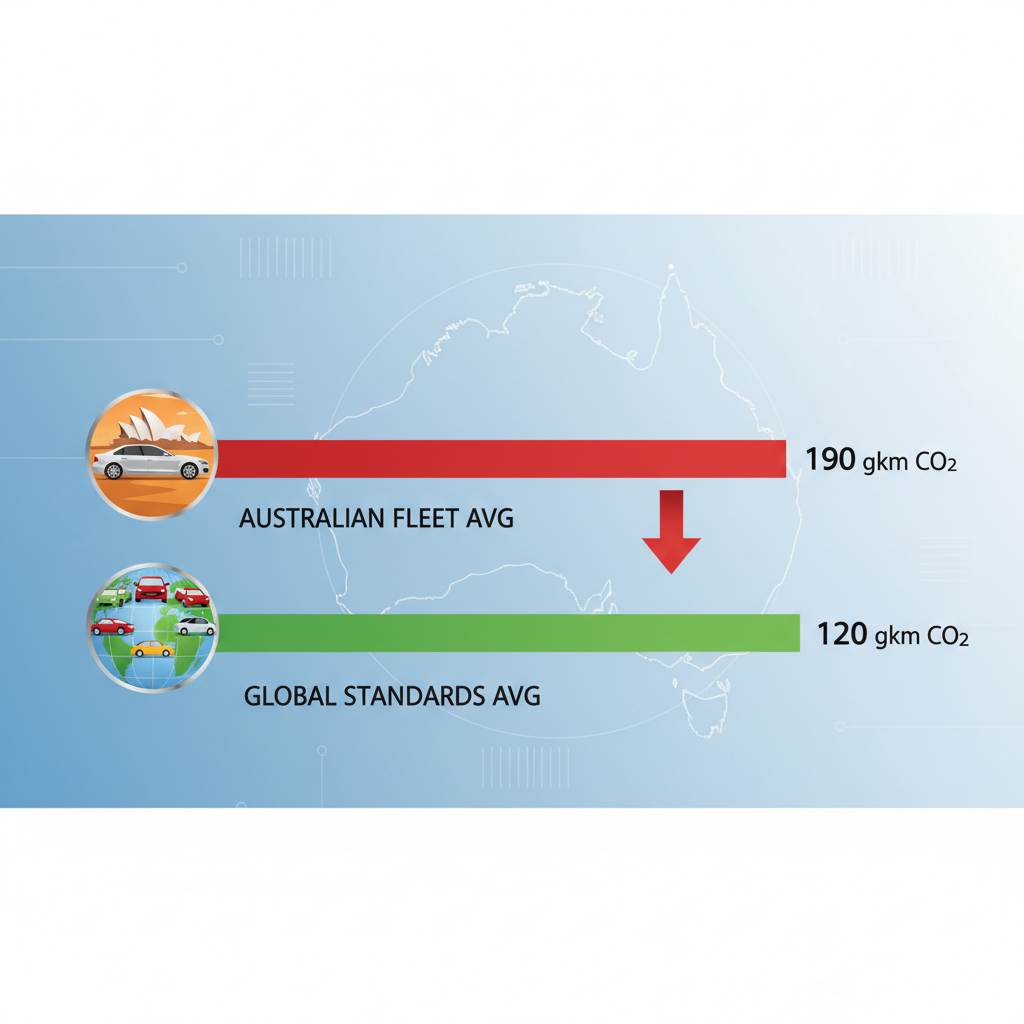
The Federal Government's proposed NVES is aiming to bring Australia in line with global standards, specifically to reduce vehicle emissions. Now, I've been watching this space for years, and while the exact details are still being ironed out, the direction is clear: car manufacturers will face penalties for selling vehicles that exceed certain average CO2 emission targets across their fleet. How do they avoid those penalties? By selling more low-emission vehicles – EVs, hybrids, and smaller, more efficient petrol models – and fewer of the big, juicy stuff. It's simple economics, really.
The Policy's Teeth: Penalties and Perks
Currently, the government's preferred option, the 'Option B' or 'Stronger NVES', is gunning for a 60% reduction in average light vehicle emissions by 2030, compared to 2020 levels. That's aggressive. To give you some context, FCAI data consistently shows Australia well behind other developed nations when it comes to average fleet emissions. We've been a dumping ground for older, less efficient tech for too long, many would argue.
Manufacturers will accumulate 'credits' for selling ultra-low emission vehicles and 'debits' for high emitters. If their debits outweigh their credits, they pay a penalty – rumoured to be around $100 per gram per kilometre over the limit. That's a huge incentive to shift their product mix.
The Ripple Effect on the Used Car Market
So, where does your trusty, but slightly thirsty, chariot fit into all this? Manufacturers are going to pull back on importing big V6s and V8s, or even some of the popular, but not super-efficient, four-cylinder SUVs. They'll start pushing their more efficient alternatives, making them more attractive with sharper pricing and better availability. What happens when the supply of new, efficient cars increases and their price point becomes more competitive? The demand for older, less efficient models generally takes a hit, especially when fuel prices remain stubbornly high, which they usually do, don't they?
I spoke to a seasoned dealer principal in Melbourne recently, off the record, of course. He mentioned, "We're already seeing a bit of a shift in buyer mentality. People are asking more about fuel economy, even for a used 4x4. Five years ago, it was all about towing capacity and tech. Now, it's 'What's its real-world fuel consumption?' and 'How much will it cost to fill up?'. The NVES is just going to amplify that, big time."
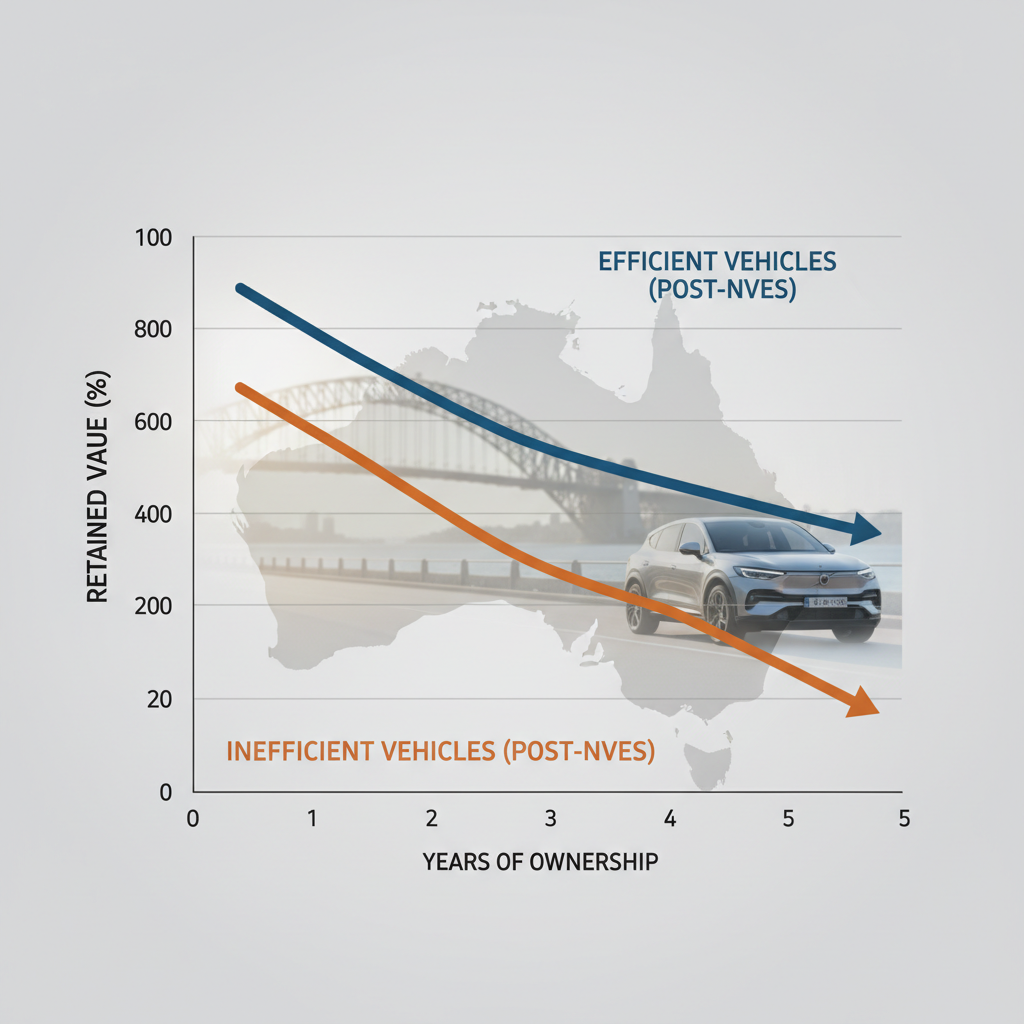
We'll likely see a two-tiered market emerge. Efficient models, especially hybrids and EVs, may maintain stronger resale values and depreciate slower. Conversely, those older, less efficient petrol and diesel beasts, particularly the non-commercial ones, well, they're probably going to see a quicker slide off the depreciation cliff. It's not a cliff yet, maybe more of a gentle slope, but that slope will steepen once the NVES truly bites.
Which Cars are Most at Risk?
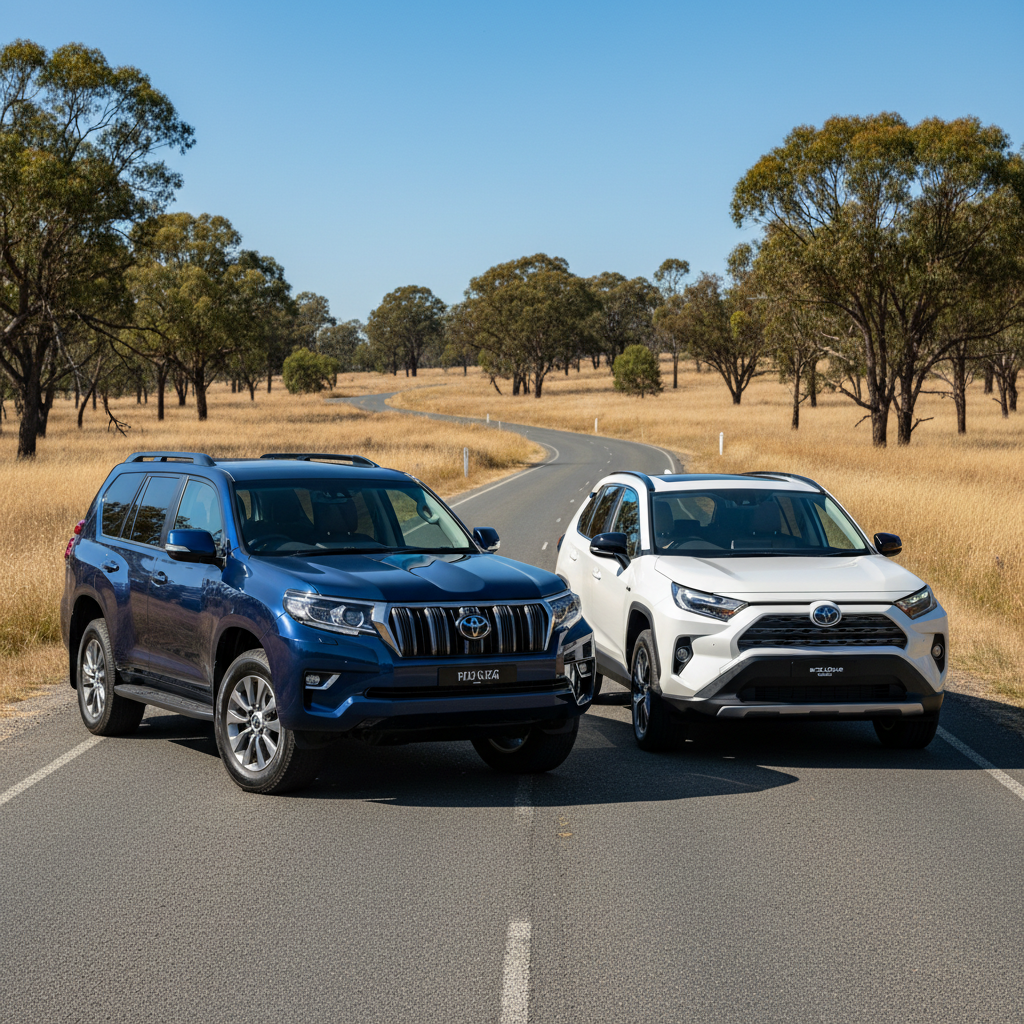
Let's be blunt: if you own a large pick-up truck like a V6 Amarok or Ranger (excluding the super-efficient variants), a big petrol SUV like a LandCruiser V8 (the older ones, mind you, the new ones are more efficient), or even a V6 family sedan that's a few years old, you should be considering your options. These vehicles, while excellent at what they do, often carry higher emissions ratings. As the market shifts, a significant portion of buyers will start actively avoiding them for reasons of economy and, increasingly, public perception.
It's not just the big stuff, either. Some older, medium-sized SUVs and sedans that aren't particularly renowned for their fuel economy could also be impacted. Think about the models that averaged 9-11L/100km five or six years ago. Newer equivalents are often well under 8L/100km, especially with mild-hybrid tech or smaller turbo engines.
The Manufacturer's Dilemma and Your Opportunity
Manufacturers are already reacting. We're seeing more hybrid options proliferate across ranges, better access to EVs, and a general improvement in the efficiency of even their petrol-only models. They have to, otherwise those penalties will eat into profits. This means there will be more choice for buyers who prioritise efficiency, further lessening demand for the cars without those credentials.
"The industry has been preparing for this for a while, but the stronger the standard, the faster the shift we'll see away from traditional high-emission models. Used car values will naturally reflect that new balance of supply and demand." - Anonymous automotive industry analyst.
So, what's a seller to do? Look, if you're thinking of upgrading from a vehicle that's likely to be squarely in the 'less efficient' camp, now might actually be a better time than in 12 or 18 months once NVES is fully implemented and public perception has solidified. Getting out ahead of the curve could safeguard a good chunk of your car's value.
Valuation services are going to become even more critical. Knowing what your car is truly worth in the current market, and having an educated guess at its future trajectory, empowers you to make a decision. Selling to a network of dealers, rather than just one trade-in offer, could reveal if there's still strong underlying demand for your specific model in certain pockets of the market.
Final Word for Sellers
The NVES isn't a silver bullet for climate change, nor is it going to eradicate every large, petrol-guzzling car from our roads overnight. But it's a significant marker. It's the government putting its foot down and saying, with increasing volume, that Australia needs to catch up on vehicle emissions. And when government policy changes the landscape for new cars, it inevitably flows down to the used car market.
Don't get caught out. That reliable old four-wheel drive or family tourer might still be loved, but its market appeal and price could be on a steeper decline than you anticipate. Get educated, get some valuations, and decide if holding onto it is truly worth the potential depreciation in a rapidly changing market.