

Hydrogen Cars & Your Petrol Resale Value in 2026
With Australia's major cities pushing harder for EV adoption and the surprising rise of hydrogen-powered cars, sellers of traditional petrol vehicles are asking critical questions about their car's future value. We're in 2026 now, and the landscape is shifting faster than ever, particularly for anyone looking to offload a fossil-fuel burner in the next 12-18 months.
Alright, let's talk about the elephant in the room that every Aussie with a petrol car is thinking about, especially if you're eyeing a new ride soon. We're in 2026, and the chatter around electric vehicles (EVs) has been a constant hum for years, but now? It's gone stratospheric. What’s really fascinating, and frankly, a bit of a curveball for many, is the unexpected push we're seeing for hydrogen-powered cars, particularly in commercial and fleet applications. Remember all those discussions about whether EVs would kill petrol cars? Well, hydrogen is now adding another layer to that cake, and it’s making the used car market for petrol guzzlers a whole lot more complex.
Key Takeaways
- Petrol car resale values are feeling the squeeze from accelerating EV adoption and the emergence of hydrogen-powered alternatives in 2026.
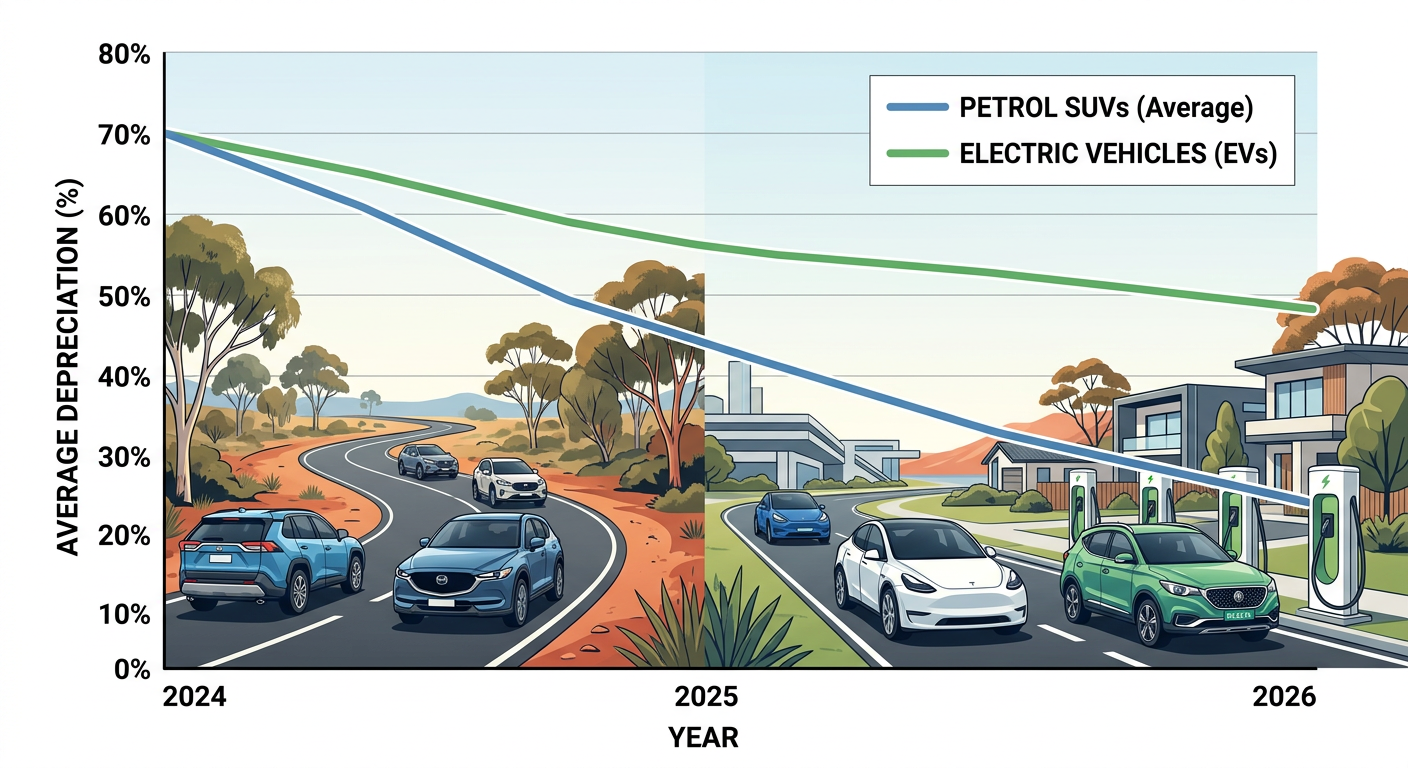
- Demand for petrol cars is holding up for now, especially in regional areas, but the depreciation curve is steepening.
- New government incentives for green vehicles and tightening emissions standards are directly influencing buyer preferences.
It’s no longer a distant future thing; the changes are here. Head into any major dealership in Sydney or Melbourne, and you'll find floor space increasingly dominated by EVs and the occasional hydrogen demonstrator. The traditional internal combustion engine (ICE) vehicles are still selling, don't get me wrong, but the sheen, and crucially, the holding value, isn't what it used to be. Buyers are starting to really consider long-term ownership costs, fuel availability, and future resale, and that's shifting the ground beneath our feet. For anyone selling a petrol car, understanding these dynamics isn’t just good; it’s essential to avoid leaving cash on the table.
The Accelerating EV Transition: It's Not Just for Early Adopters Anymore
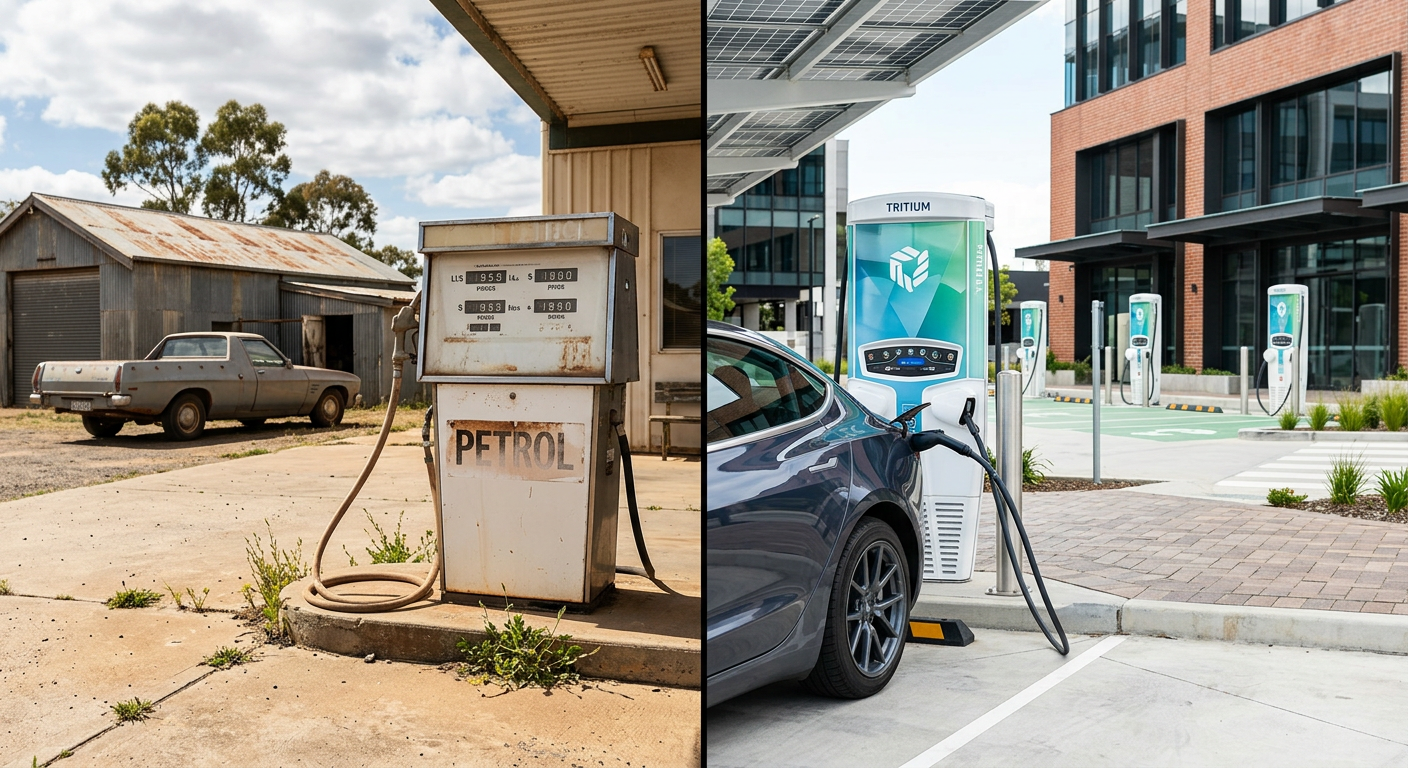
Let's tackle EVs first because that's where most of the market noise has been. By April 2026, EV sales in Australia are no longer a niche phenomenon. According to FCAI data, Battery Electric Vehicles (BEVs) accounted for over 10% of new passenger vehicle sales nationally in the first quarter of this year. That’s a massive jump from just a few years ago. And more importantly, the range anxiety and charging infrastructure concerns that once plagued potential buyers are, for city dwellers at least, becoming less significant.
State governments are playing a big role here, aren't they? In Victoria and NSW, for instance, we’re seeing continued stamp duty exemptions and even direct rebates for eligible EVs up to a certain price point. This directly makes a new EV more attractive than a comparable new petrol car, which in turn, has a ripple effect on the used car market. Why buy a used petrol mid-size SUV for $40,000 when for an extra $10k (or less after subsidies), you could get into a new base model EV with cheaper running costs?
The flow-on effect is obvious; that hypothetical $40,000 used petrol SUV is now competing with a genuinely appealing EV alternative. And buyers, bless 'em, they’re savvy. They're doing their homework on running costs, future-proofing, and let's be honest, the environmental cred. This pressure is causing a noticeable downward trend in the valuation of many popular petrol models, especially those that fall into the 3-7 year old bracket.
Hydrogen's Quiet Ascent: A New Contender in the Green Race
Now, here's where things get really interesting, and something I honestly wasn't expecting to be this significant so quickly: hydrogen. It's not necessarily directly impacting private petrol car sales right now, but it's shaping the conversation and future infrastructure in ways that could accelerate ICE's decline even further. Toyota and Hyundai have been pushing hydrogen Fuel Cell Electric Vehicles (FCEVs) for a while, but it’s the recent flurry of government and industry investment into hydrogen refuelling networks, particularly around freight corridors and industrial hubs, that's turning heads.
While consumer-facing hydrogen vehicles are still pretty scarce, the fact that major fleet operators and logistics companies are seriously exploring FCEVs means two things. First, it drains some of the potential investment away from expanding the petrol and diesel networks. Second, and perhaps more importantly for you, it normalises alternative powertrains. If Johnny Truckie can fill up a hydrogen truck with a zero-emission footprint, why can’t his family commute in something equally clean?
It's not a direct competitor to your used Mazda 3 just yet, but it's another nail in the long-term coffin for petrol. It widens the 'alternative' category beyond just pure EVs, making petrol feel even more like yesterday's technology. This psychological shift in buyer perception is powerful, believe me.
The Used Car Market for Petrol Cars in 2026: What's Really Happening?
So, let’s get down to brass tacks. What does this mean for your petrol car? The short answer: you need to be realistic, and maybe a bit proactive. Demand for used cars in Australia generally remains strong, but there’s a clear divergence forming.
SUVs and Dual-Cab Utes, particularly those under 5 years old, are still doing alright. Aussies love their family haulers and tradie machines, and for many, an EV ute isn't quite cutting it yet for range or towing. But even here, demand isn't as frantic as it was during the new car supply shortage era of 2023-2024. Prices are stabilising, and in some segments, they're starting to soften.
Smaller, older petrol cars, especially those with less desirable fuel economy, are the ones taking the biggest hit. Think your 2018 non-hybrid small sedan or hatchback. They're becoming harder to move, and they're depreciating faster. Younger buyers, particularly, are far more open to leasing smaller EVs or buying cheaper used EVs as their first car, bypassing petrol altogether.
"The used car market is incredibly granular right now. Generalisations are dangerous. A low-mileage, well-maintained petrol Hilux will still command strong money, but a ten-year-old petrol sedan in the same condition? That's a different story entirely." - Industry analyst, speaking anonymously.
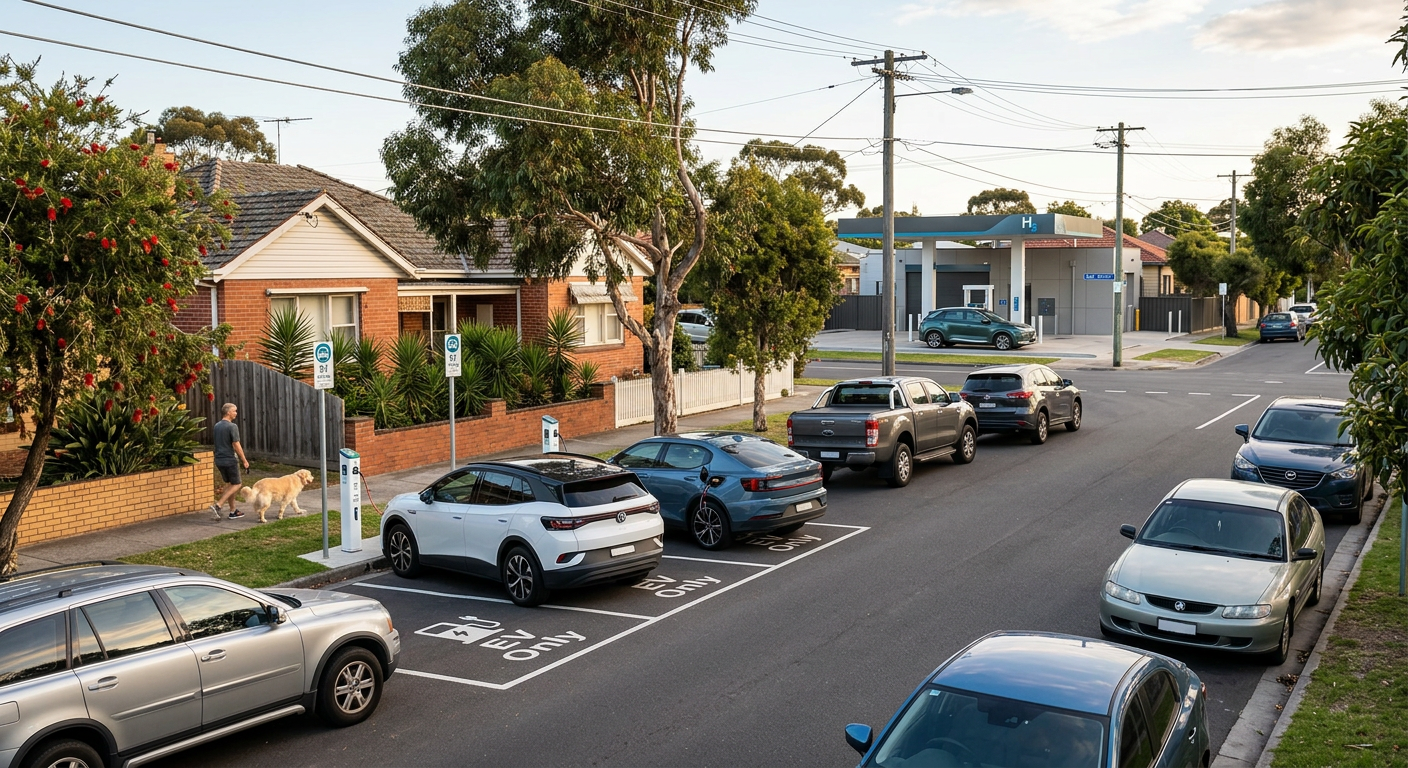
Regional areas are holding out a bit longer, too. If you're selling a petrol 4x4 in rural Queensland, you'll still find buyers, because EV infrastructure is still catching up out there. But for inner-city Sydney, Melbourne, or Brisbane, your buyer pool is already heavily weighted towards looking at greener options.
What Can You Do About It?
Right, so if you've got a petrol car and you're thinking about selling it this year, what's the play? First off, condition is king. With more options on the market, buyers are less forgiving. That scratch on the bumper, the overdue service, the stained seats – these are all leverage points for negotiation that cost you significant money. Get your car detailed, fix any minor issues, and make sure your service history is impeccable.
Secondly, timing matters. While there's no single 'perfect day' to sell a car, data from AAA reports suggests that as petrol prices continue their upward creep, buyer interest in efficient alternatives intensifies. Conversely, major new EV model launches can cause a sudden dip in demand for certain used petrol analogues. Keep an eye on the news! Selling before a blockbuster EV release that rivals your petrol car's segment could be a smart move.
Finally, and this is crucial: don't just settle for one offer. The days of rocking up to a single dealership for a trade-in and accepting their first quote are well and truly over if you want to maximise your return. Dealerships have their own internal targets and inventory needs, and their offer is tailored to them, not necessarily reflecting the full market value of your vehicle.
Many sellers are finding that getting multiple bids from a network of licensed dealers is the most effective way to see what their car is truly worth in this rapidly changing market. It removes the stress of private sales – no strangers, no dodgy payments, none of that haggling over small stuff. You just submit your car's details once, and genuine buyers come to you with their best offer. Given the market uncertainty, it's a solid strategy to protect your hard-earned equity.