

Selling Your Car in 2026: Tax Traps for Private & Business Sellers
Navigating the ATO's rules for selling private and company vehicles in 2026 can be a minefield for the unwary. We break down the tax implications and reveal strategies to keep more cash in your wallet, legally.
Selling Your Car in 2026: Tax Traps for Private & Business Sellers
Alright, so you've decided it's time to part ways with your wheels. Good on you. Whether it's to upgrade, downsize, or just free up some cash, selling a car in Australia in 2026 comes with a few tax wrinkles you absolutely need to iron out if you don’t want a nasty surprise from the ATO.
It’s not just about getting the best price for your old ute; it’s about understanding the tax impact, especially if that vehicle has been part of a business operation. Most private sellers think they're in the clear, and often they are, but there are nuances. And for businesses? Well, that's where it gets a bit more involved, with GST, capital gains, FBT, and depreciation all playing their part.
Key Takeaways
- Most private car sales are exempt from Capital Gains Tax, but watch out for 'profit-making intentions'.
- Businesses selling cars must consider GST, Capital Gains, and the Fringe Benefits Tax implications.
- Claiming private use for a business car via a logbook can significantly reduce FBT liability.
- Always track all selling expenses to reduce your taxable gain, if applicable.
This isn't financial advice – I'm just an automotive journo, not your accountant. But I've seen enough sellers get tangled up to know you need to be across this stuff. So, let’s peel back the layers on car sales and your tax obligations this year.
The Private Seller: Usually in the Clear, But Not Always
For most of us selling the family sedan or weekend runabout, the good news is you're generally exempt from paying capital gains tax (CGT). The ATO treats personal cars as 'personal use assets,' and these are typically excluded from CGT if they cost under $10,000 when you bought them.
However, nearly every car sold in 2026, even those from 2018 or 2019, cost well over $10,000 back then. Here's the kicker: the ATO considers the vast majority of cars as depreciating assets. Which means they rarely go up in value. If you buy a car for $40,000 and sell it five years later for $25,000, that $15,000 loss isn't deductible, and the $25,000 sale isn't taxable because you didn't *make* a capital gain.
Where it can get tricky for private sellers is if the ATO determines you bought the car with a 'profit-making intention.' This is rare for a regular daily driver, but if you're, say, buying specific classic cars, restoring them, and selling them quickly for a significant profit, you might be seen as running a business, even if it's not registered. That's when capital gains or even regular income tax might apply. But for Mrs. Henderson selling her 2020 Mazda CX-5, she's sweet!
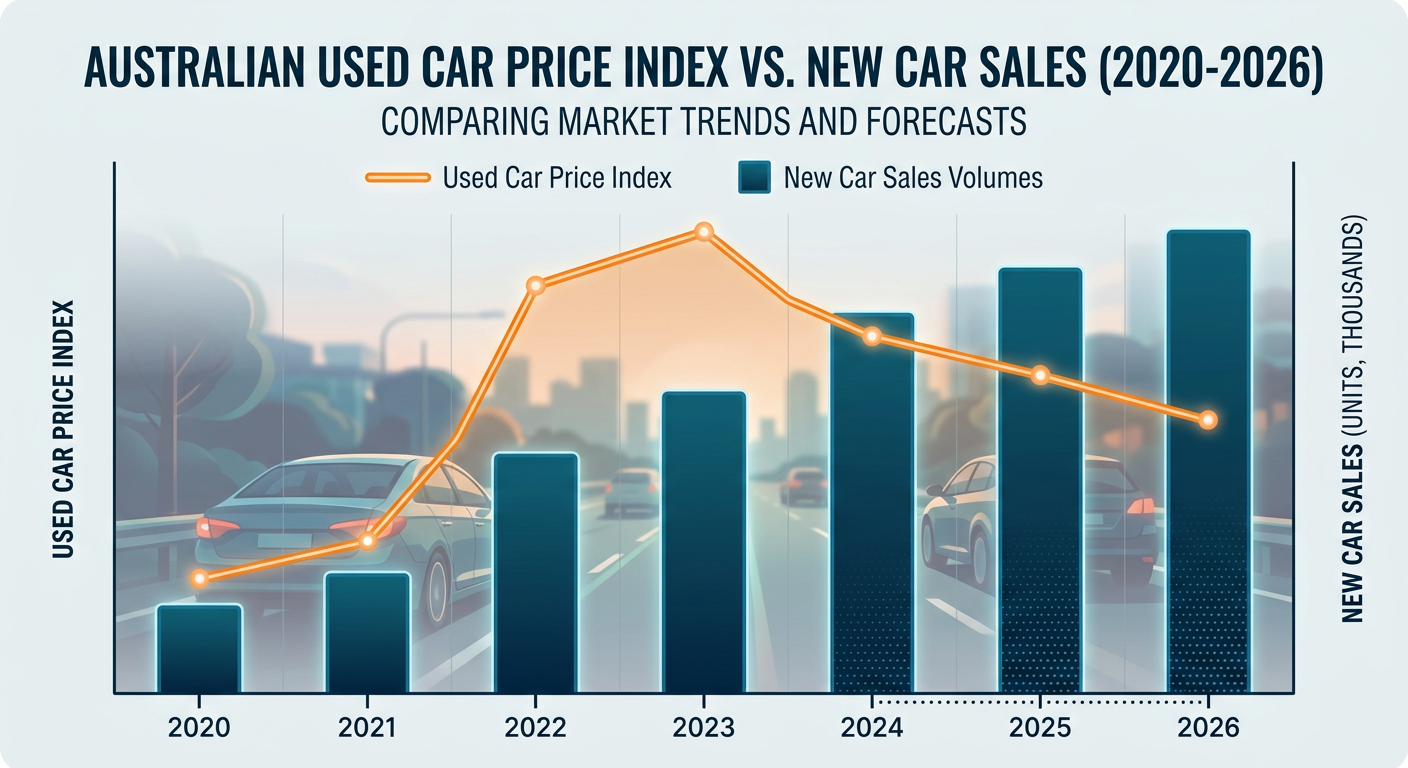
Stamp Duty: A Buyer's Burden, But You Need to Know
Now, while you, the seller, won't typically pay stamp duty, it's a cost the buyer will factor in. This varies heavily state-by-state, and it’s always based on the higher of the vehicle’s market value or the sale price. For example, in New South Wales, duty is $3 per $100 up to $45,000, then $5 per $100 after that. In Victoria, you're looking at different tiers depending on the value and efficiency rating. It's not your expense, but being aware of it can help you manage buyer expectations on the final deal.
What could this mean for your next car sale?
Separate market headlines from the evidence for your own car. Explore estimates, buyer offers and selling options before deciding whether to act.
The Business Seller: A Whole Different Animal
This is where things get complicated. If the car you're selling was used in your business, the tax implications can include GST, capital gains/losses, and potentially even fringe benefits tax (FBT) recoupment.
GST: Input Tax Credits and Sale Price
If your business is registered for GST, and you claimed input tax credits when you bought the vehicle, then you have to include GST in the sale price when you sell it. It's pretty straightforward: if you originally claimed 1/11th of the purchase price as an input tax credit, you'll generally need to remit 1/11th of the sale price as GST to the tax office.
"I've seen businesses forget this, tallying up a tidy sum in their bank account only to realise a chunk of it was never theirs. It's a common oversight that auditors love to find." - Industry analyst, Melbourne.
What if you didn't claim the input tax credits, maybe because the car was purchased from a private seller? Then you generally won't owe GST on the sale. But most businesses buying vehicles from dealerships will have claimed those credits, so be prepared.
Depreciation and Balancing Adjustment
For business vehicles, you've likely been claiming depreciation as a tax deduction each year. When you sell the car, the ATO requires a 'balancing adjustment.' This means comparing the car's 'termination value' (usually the sale price) with its 'taxable written down value' (its value after all the depreciation you've claimed).
- If the sale price is more than the written down value, that difference is assessable income (a taxable profit).
- If the sale price is less than the written down value, that difference is a deductible expense (a taxable loss).
Think of it like this: the ATO gave you tax deductions for the car losing value. If it didn't lose as much value as you claimed (or actually went up, which is rare for a standard car), then you owe them back some of those tax benefits.
Fringe Benefits Tax (FBT)
If the car was available for employees' private use, you've likely been dealing with FBT. When you sell that vehicle, there's no direct FBT payable on the *sale* itself. However, the sale removes the car from your asset base, ending any ongoing FBT liability for that particular vehicle. It's more about how the FBT was calculated during its business life, especially if you used the operating cost method.
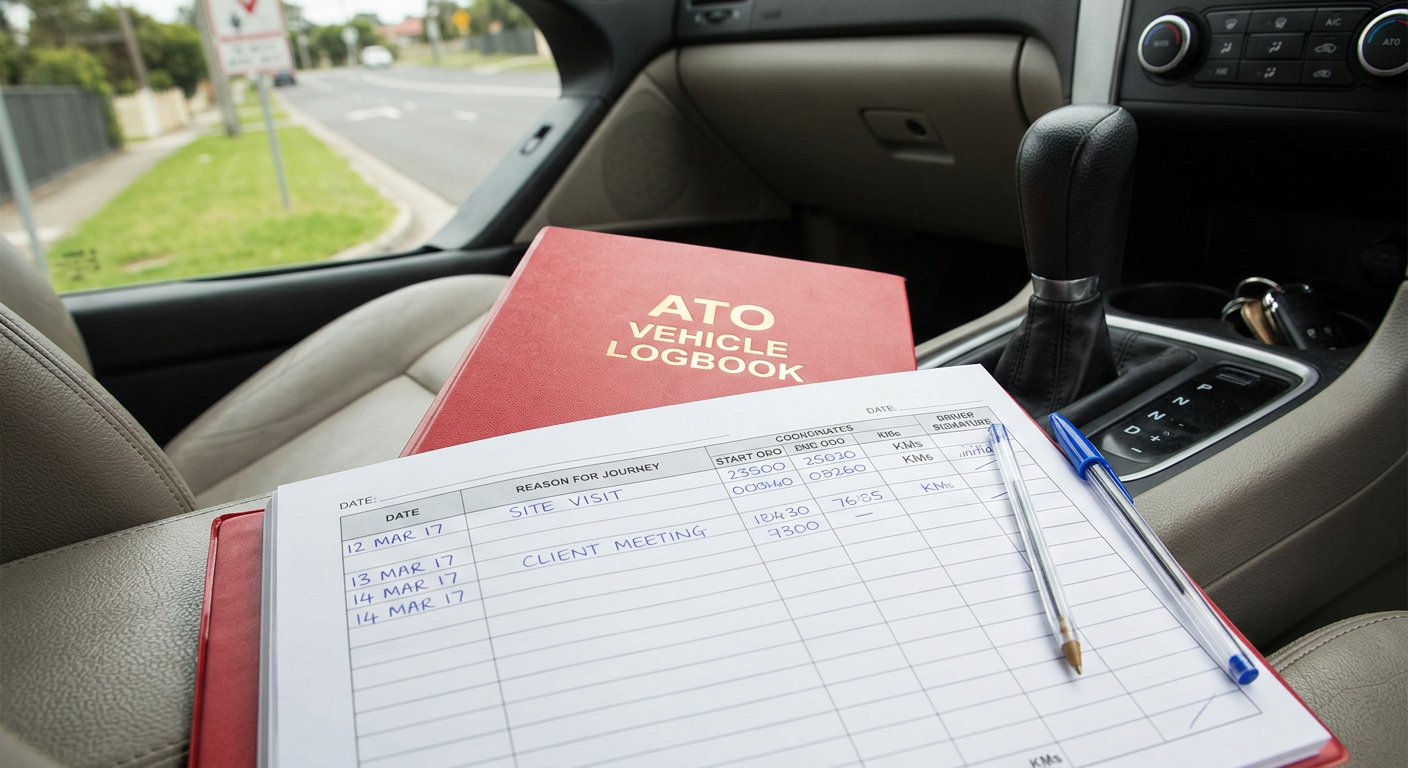
A good logbook can significantly reduce your FBT liability because it proves the ratio of business vs. private use. Without it, the statutory formula method can often result in a higher FBT bill, as it assumes a certain percentage of private use irrespective of reality.
Minimising Your Tax Losses (Legally, of course)
No one wants to pay more tax than they legitimately owe. Here are a few strategies to keep in mind, whether you're selling privately or for your business:
1. Keep Immaculate Records
This is paramount. For businesses, every invoice, every service record, every fuel receipt. For private sellers, the original purchase invoice is key. If you're disputing a 'profit-making intention' with the ATO, showing the car was a regular purchase for personal use, held for a reasonable period, and sold for market value will be vital.
2. Understand Your Car's True Market Value
Selling too cheaply could raise eyebrows if it's a business asset, as it might look like you're trying to manipulate your balancing adjustment. Getting a realistic valuation from platforms like carsales or by checking similar listings will protect you. If you're selling to a related party, always ensure the price is at 'arm's length' – what you would expect to get from an unrelated buyer.
3. Track All Selling Expenses
This is crucial. Advertising costs (e.g., your carsales listing), detailing expenses, roadworthy certificates – these are all legitimate expenses that can reduce your taxable gain (if one exists) or increase your deductible loss for business vehicles. Don't forget them!
4. The Logbook for Business Vehicles
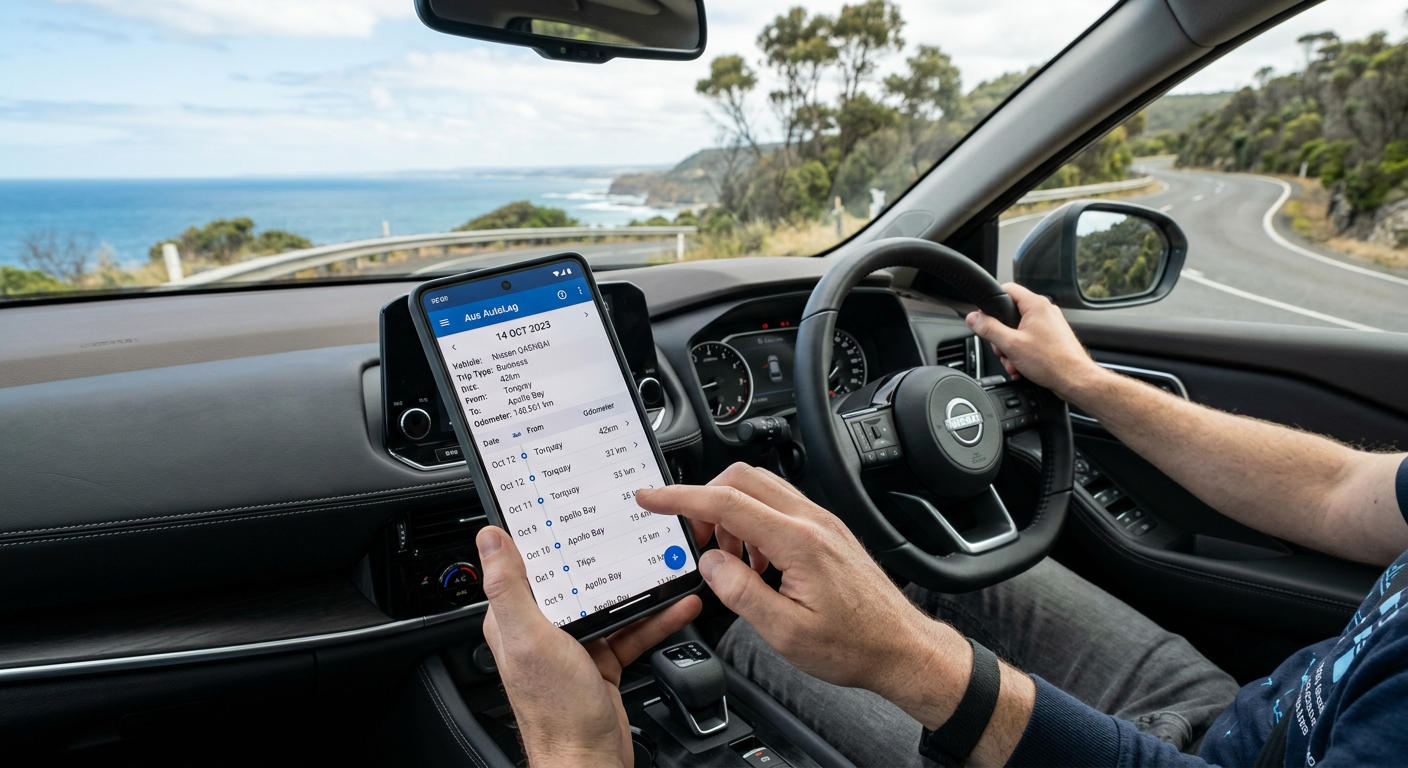
If your business vehicle was ever subject to FBT, a valid logbook is your best friend. It tracks the business percentage used. When it comes to selling, while not directly impacting the sale's tax, a well-maintained logbook ensures your FBT liability during the car's life was accurate, preventing future audits or recalculations.
For example, if you claim 80% business use for a vehicle, but the ATO disputes it due to lack of records, they could revisit previous FBT assessments, causing a ripple effect.
5. Timing Your Sale for Businesses
While not often a major factor due to market fluctuations, some businesses might consider the sale timing in relation to their financial year-end. If selling a vehicle means a significant balancing adjustment profit, moving it into the next financial year could defer the tax liability. This depends heavily on your overall tax position and is definitely something your accountant needs to advise on.
The Bottom Line: Consult Your Accountant, Seriously
Look, the world of tax is complex, and every individual's and every business's circumstances are unique. The advice here is general, based on what the ATO generally expects in April 2026. What's right for a small sole trader selling a Hilux might be completely different for a large corporation offloading a fleet of Camry Hybrids.
Before you list that car, especially if it's been a business asset, get on the phone with your accountant. A quick chat can save you a world of pain and potentially a hefty tax bill down the line. They'll ensure you're compliant, make the most of any deductions, and keep you on the right side of the tax office.
Don't just guesstimate or assume; get professional advice. It's an investment that pays for itself.